Our story
Four generations on the same land
The farm began in 1921 with hill pasture, a few Highland heifers, and a house still to build. A hundred years on, the fields are the same, the herd is larger, and the family is still here.
1921 established4 generations52 head
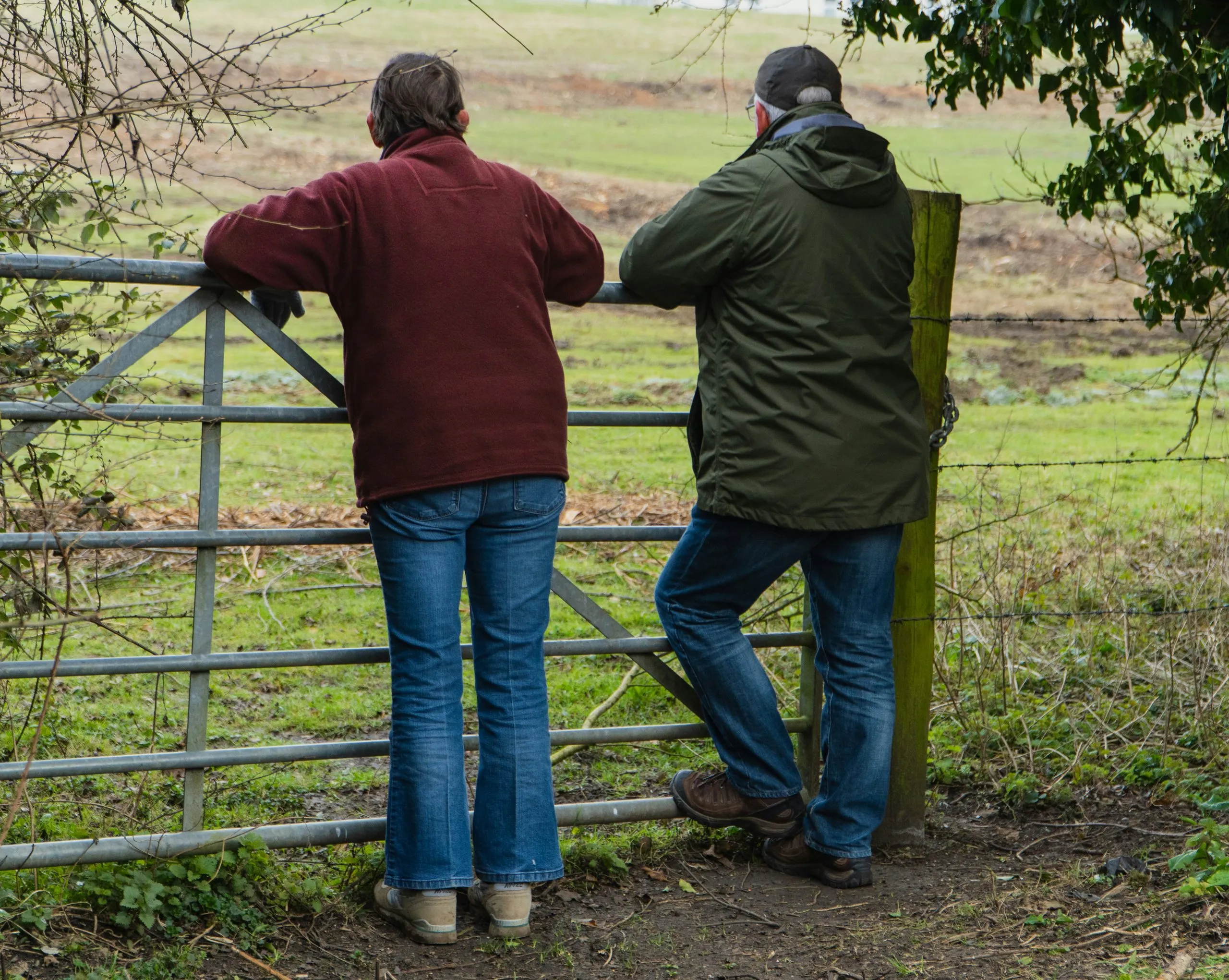
Where Highland resilience meets an open gate
For more than a century, our family has worked this Hudson Valley land, keeping a ranching tradition passed down through four generations. At the heart of it is the breed: a hundred years spent refining the bloodlines, strength, and resilience of our Highland cattle.
Today we open our gates so you can see that living history for yourself. Watch traditional breeding up close, ride the trails our ancestors cut, and stay in our century-old family home. This land and this herd are our family’s greatest pride, and we would love to share a story written in the soil.
- 100+
- Years on this land
- 4
- Generations
- 180
- Acres of pasture, hay, and woods
- 52
- Head of Highland and Angus
1921 to today
A hundred years, briefly
- 1921
The land
Our great-grandparents buy the hill farm in Ulster County and bring home their first Highland heifers.
- 1920s
The farmhouse
They build the farmhouse above the lower pasture, with a stone hearth and floors from timber cut on the hill.
- 1924
The herd book
The first registered Highland bull goes into the family herd book. The Glen Ard line starts here.
- 1962
The Kinloch line
Our grandparents bring in Kinloch cattle for hardiness and heavy winter coats, and cut the trails we still ride.
- 1987
Blackwillow Angus
Our parents start a small registered Angus herd, kept purebred alongside the Highlands.
- 1990
The first crosses
The first Highland × Angus calves are born on the farm.
- 1998
The Ben Rua line
A new Highland outcross, chosen for conformation. The dun and silver coats come with it.
- Today
An open gate
We keep 52 head, sell a few animals each year, and welcome riders, visitors, and overnight guests.
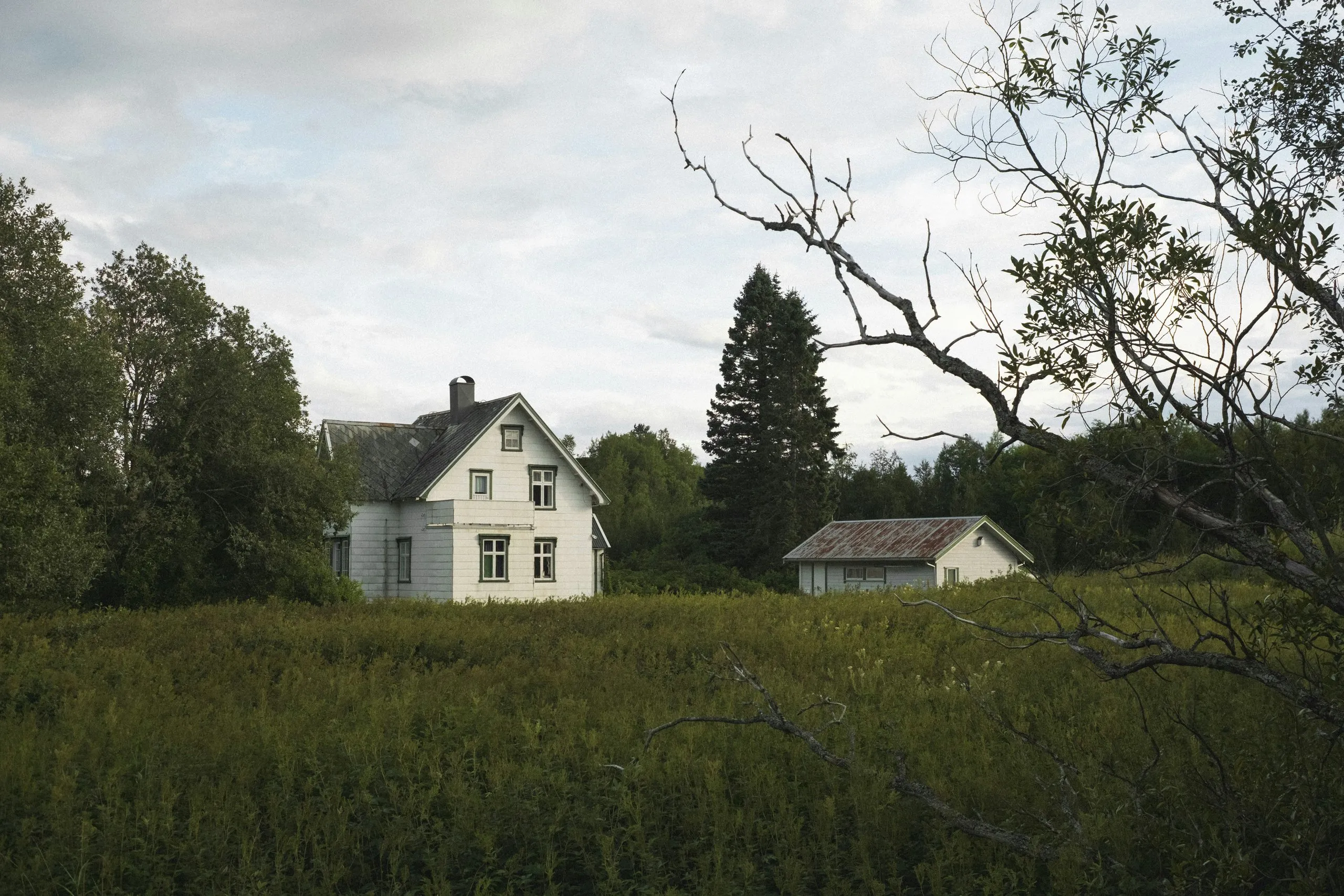
Since the 1920s
The farmhouse
The first generation built the farmhouse in the 1920s, on a rise above the lower pasture. Every generation since has lived in it. The floors, the stone hearth, and the windows are original. The kitchen and the plumbing, thankfully, are not.
Today the house is where our heritage stay guests sleep, where breakfast is served after a corral milking, and where the herd book is kept.
What has not changed
The same fields
The herd grazes the hill pastures our great-grandparents cleared, moved on every few days.
The same herd book
Every calf born here since 1924 has a page. We still write the calving notes by hand.
Temperament first
A quiet animal is easier to keep, easier to sell, and safer for children. We breed for it.
One of us at the gate
Every visit, ride, and stay is led by a member of the family. No staff, no tour guides.
Two nights in the farmhouse and a morning in the corral. Our children still talk about the milking, and about the bull watching from the far fence.
Come and see
Walk the herd with us.
The best way to know the farm is to walk it. Herd walks run on Saturdays, year round.