Bloodlines
Five lines, one herd book
Highland cattle since the 1920s, registered Angus since 1987, and the Highland × Angus cross since 1990. Two closed herds, and every animal traced back through lines the family has written down.
3 Highland lines1 Angus line1 cross
The bloodlines
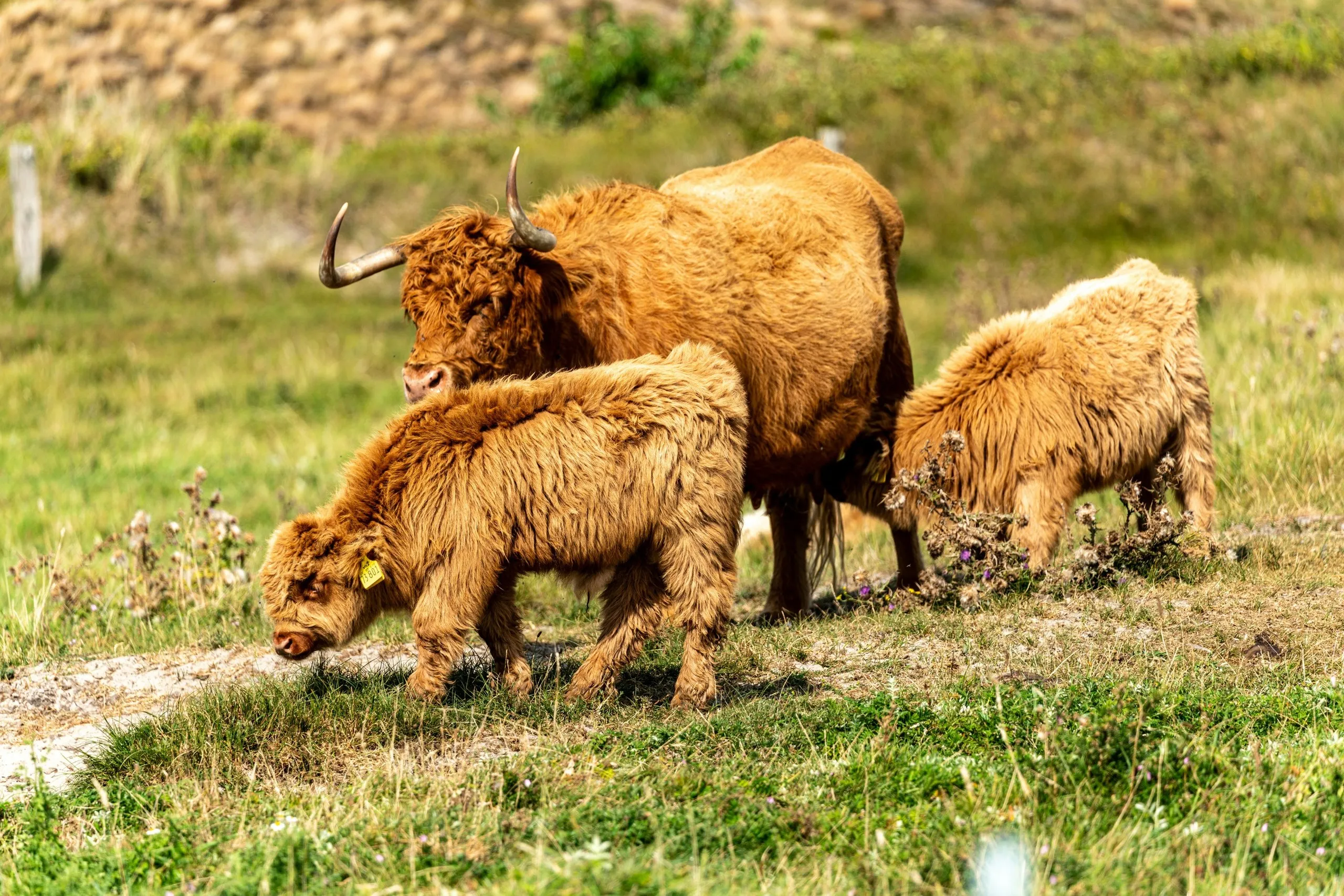
Highlands have been the heart of the farm since the 1920s. In 1987 the family added a small registered Angus herd, kept as a separate purebred line and used to breed Highland × Angus crosses. Both herds are closed, so every animal we offer traces back through lines the family has documented.
-
Recorded since 1924:
Foundation sire line
The Glen Ard line
Traced through eleven generations of herd bulls to the family’s first registered Highland bull. Long, deep-bodied cattle with an unhurried temperament.
-
Introduced 1962:
Sire line
The Kinloch line
Brought in for hardiness. Heavy winter coats, sound feet, and daughters that calve unassisted well into their teens.
-
Introduced 1987:
Angus line
The Blackwillow line
A small registered Angus herd, chosen for calving ease, growth, and an easy-fleshing, moderate frame. Kept purebred, and the source of the Angus side of every cross.
-
Bred since 1990:
Crossbred
The Highland × Angus cross
Highland hardiness and foraging with Angus growth and marbling. Hybrid vigor shows in thrift on grass, fertility, and easy calving. Most are black or dun with a shorter shaggy coat, and most are polled, since the Angus hornless gene is dominant.
-
Introduced 1998:
Sire line
The Ben Rua line
Our most recent outcross, chosen for conformation: level toplines, correct legs, and the dun and silver coats now seen through the herd.
- Two closed purebred herds: no outside females, one carefully chosen bull every few years
- Purebreds registered with the American Highland Cattle Association or the American Angus Association, with full pedigree papers
- Crosses sold with both parents’ pedigrees and the dam’s calving record
- Pedigrees recorded in the family herd book back to the first generation
- Selected for temperament, hardiness, and conformation, in that order
Since 1924
The herd book
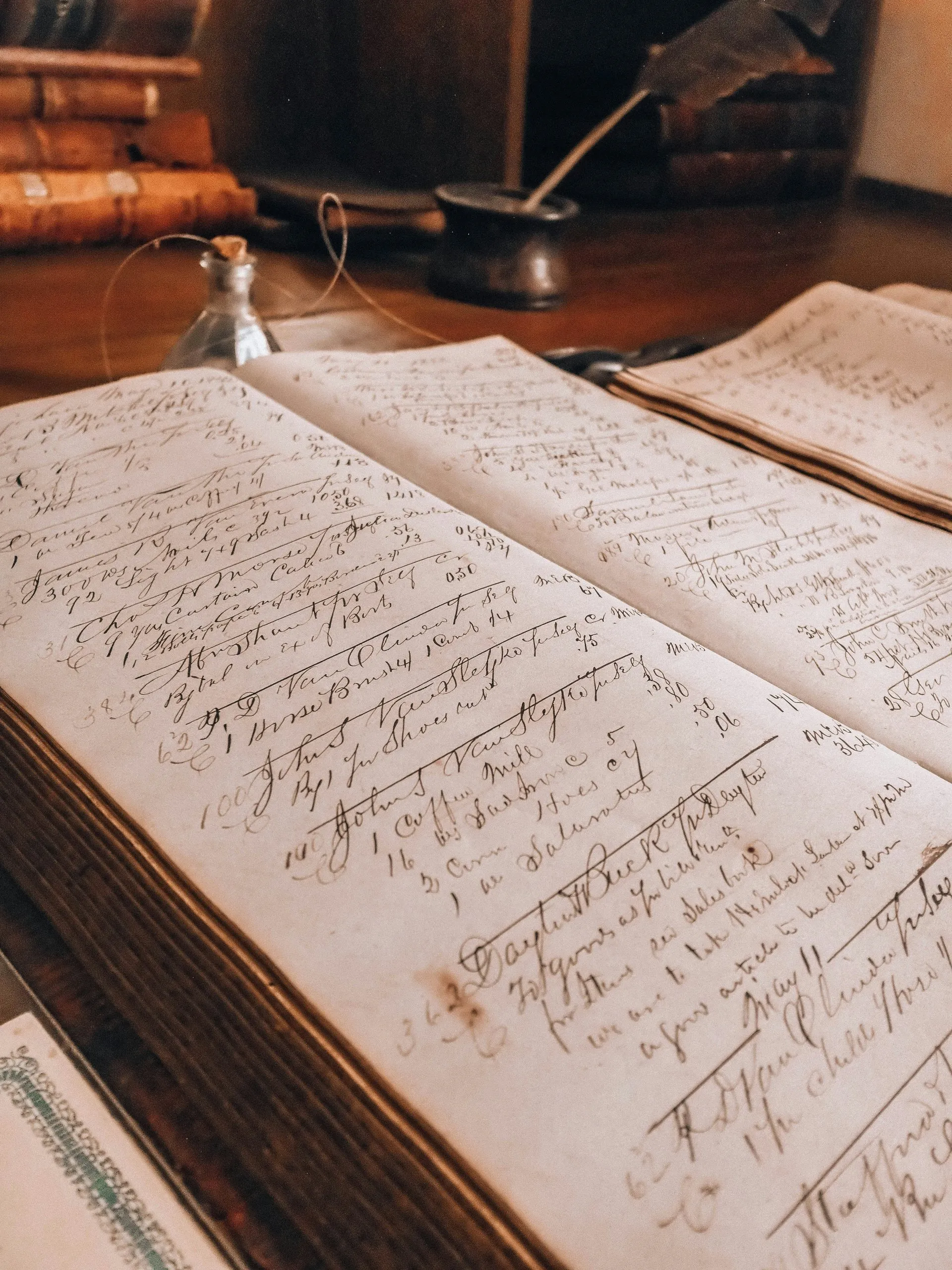
Every calf born on the farm since 1924 is in the family herd book: its sire and dam, the day it was born, and a line or two on how it grew. The early pages are in our great-grandfather’s hand. The newest are printed, but we still write the calving notes in ink.
When you buy from us, we copy the animal’s pages for you, back as many generations as you would like.
How the herd is kept
Highlands are among the most self-reliant cattle in the world, and Angus and the crosses do just as well on grass. Our part is to keep them on good grass and handle them often.
- I
Rotational grazing
The herd moves to a fresh paddock every three days from May through October. In winter they eat hay cut from our own fields, fed out on the hill.
- II
Spring calving
Calves arrive in April and May, outdoors. We record birth weight, calving ease, and mothering for every dam.
- III
Handled from birth
Calves are handled daily and halter-started before weaning, so they lead, load, and stand quietly for the vet.
- IV
No grain
Grass, hay, and free-choice minerals, nothing else. Animals leave in working condition, not show condition.
Three seasons of calves from their Glen Ard bull, every one calm and well made. The pedigree papers go back further than any herd we looked at.
Breeding stock
From these lines.
Heifers, bulls, and calves from every line, each with its papers and its dam’s calving record.